Why Granite Remains the Standard for Memorials
Granite has been the material of choice for tombstones and monuments for centuries, and for good reason. Its extreme hardness (6–7 on the Mohs scale) ensures memorials withstand decades of weather exposure without deteriorating. Its density resists moisture penetration, preventing the freeze-thaw cracking that destroys softer stones. And its mineral structure accepts engraving and etching with crisp, permanent detail that remains legible for generations.
For monument manufacturers, selecting the right granite is not just about aesthetics — it is about delivering a product that your client will never need to replace. This guide covers the practical considerations for sourcing memorial granite, with specific attention to the South African market and Rustenburg granite varieties.
Granite Varieties for Memorial Applications
Rustenburg Granite (Nero Impala / Impala Black)
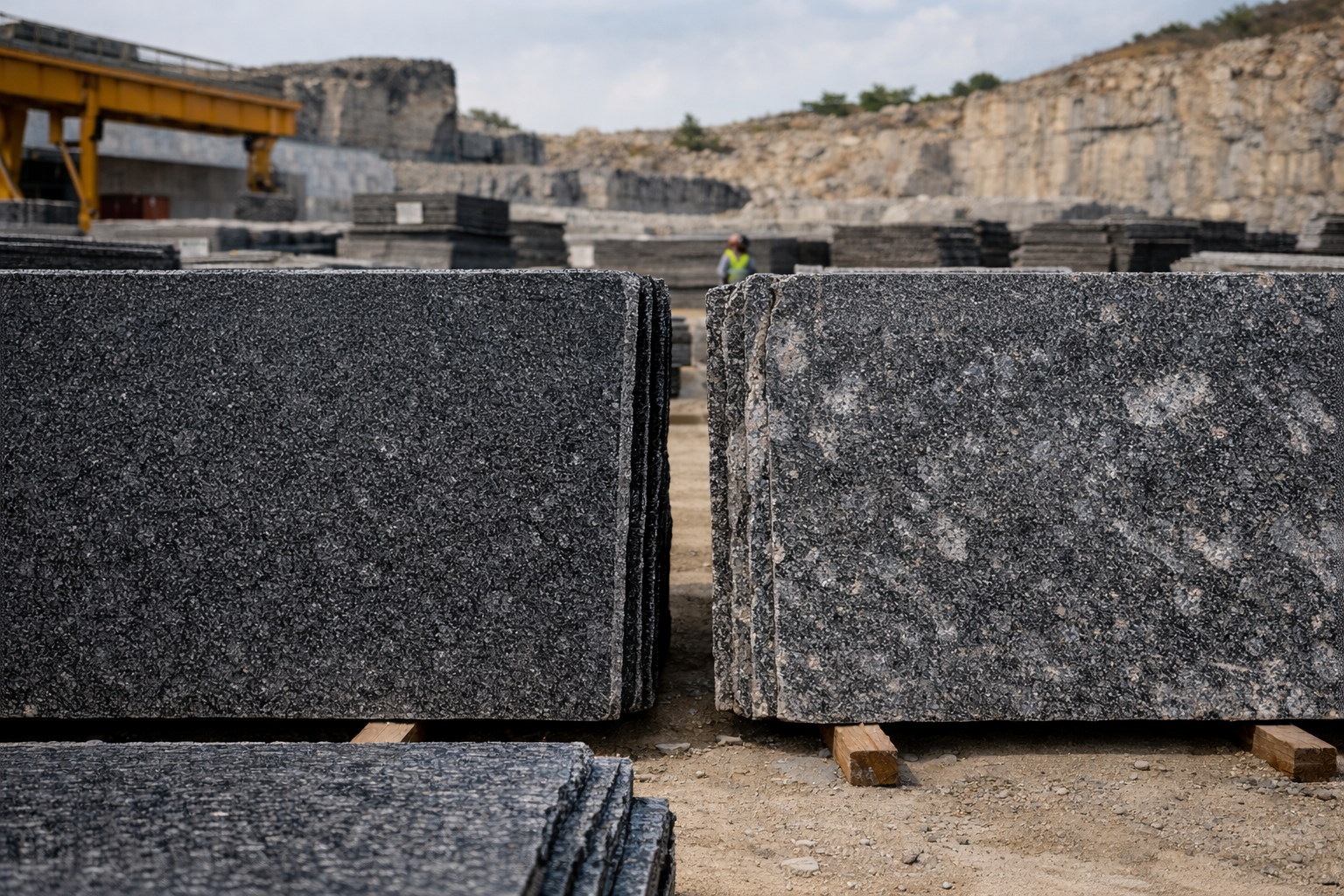
Rustenburg granite is the dominant choice for tombstones in the South African market. Its dark charcoal-to-black colour with fine silver-grey mineral flecks provides an elegant, dignified appearance. The dark colour creates excellent contrast for engraving and sandblasted lettering, making inscriptions highly legible. It is available in both polished and honed finishes, with polished being the traditional preference for headstones due to its reflective depth and the way it highlights engraved text.
Absolute Black Granite
For clients who want a deeper, more uniform black without the silver flecking of Rustenburg, Absolute Black granite offers a premium alternative. It provides maximum contrast for white or gold-filled engraving. This is typically specified for high-end memorial projects.
Grey and Light Granite Varieties
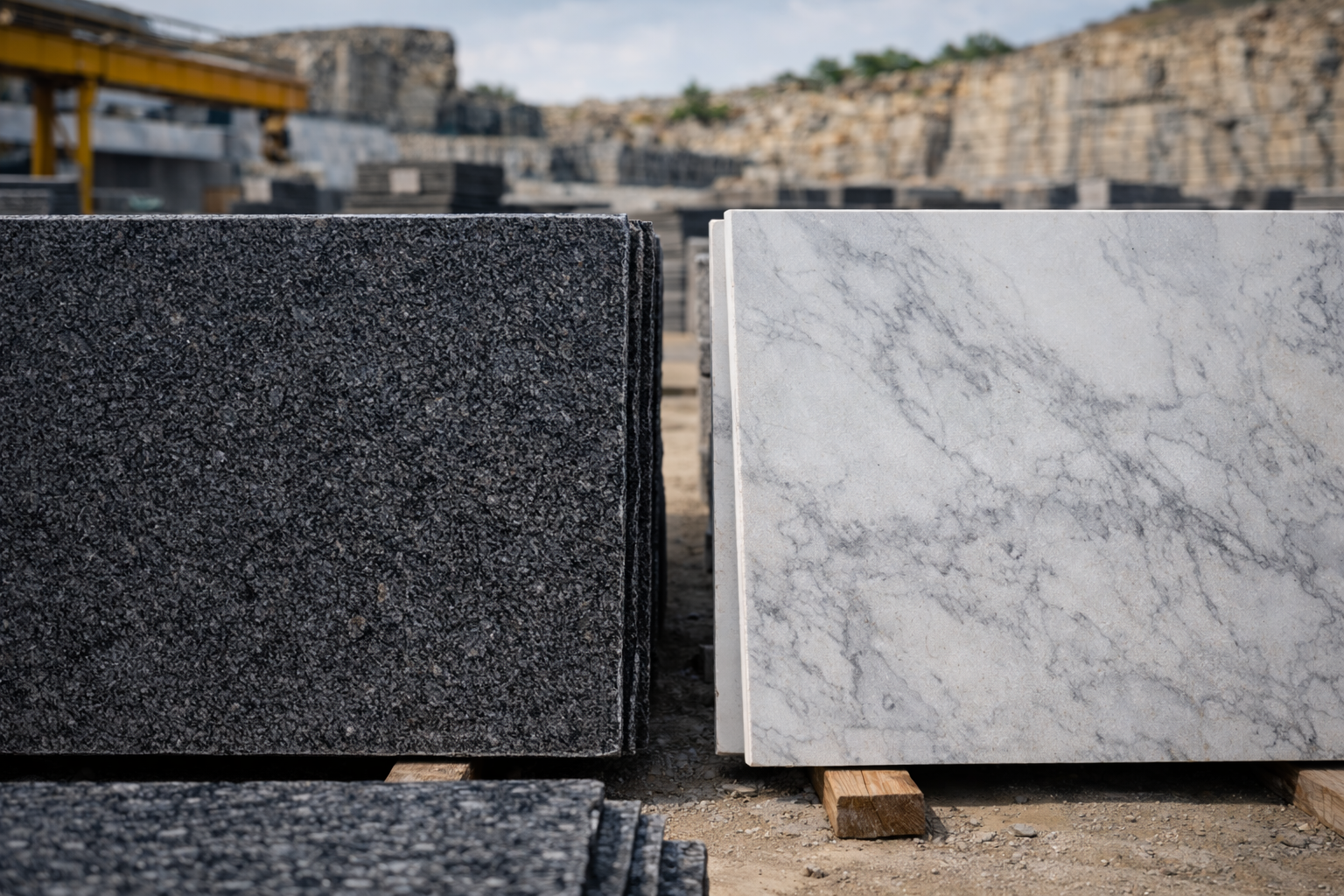
While dark granites dominate the memorial market, lighter varieties are sometimes specified for specific cultural or design preferences. Light grey granites can be appropriate for certain religious or cultural memorial traditions.
Understanding Tombstone Components
A complete tombstone or memorial set consists of multiple granite components. Monument manufacturers need reliable, consistent supply of all component sizes to fulfil orders without delays.
Headstone (Upright)
The headstone is the primary vertical memorial element. Standard sizes in the South African market range from 600mm x 450mm to 900mm x 600mm, with thickness typically at 80–100mm for standard memorials and 120–150mm for premium or oversized monuments. Headstones are almost always polished on the front face (the inscription surface) with honed or polished sides and back.
Base
The base supports the headstone and is typically wider and deeper than the headstone to provide stability. Standard base dimensions are usually 100–150mm taller in each direction than the headstone, with a thickness of 100–150mm. Bases are usually polished on visible surfaces.
Landing (Slab / Cover)
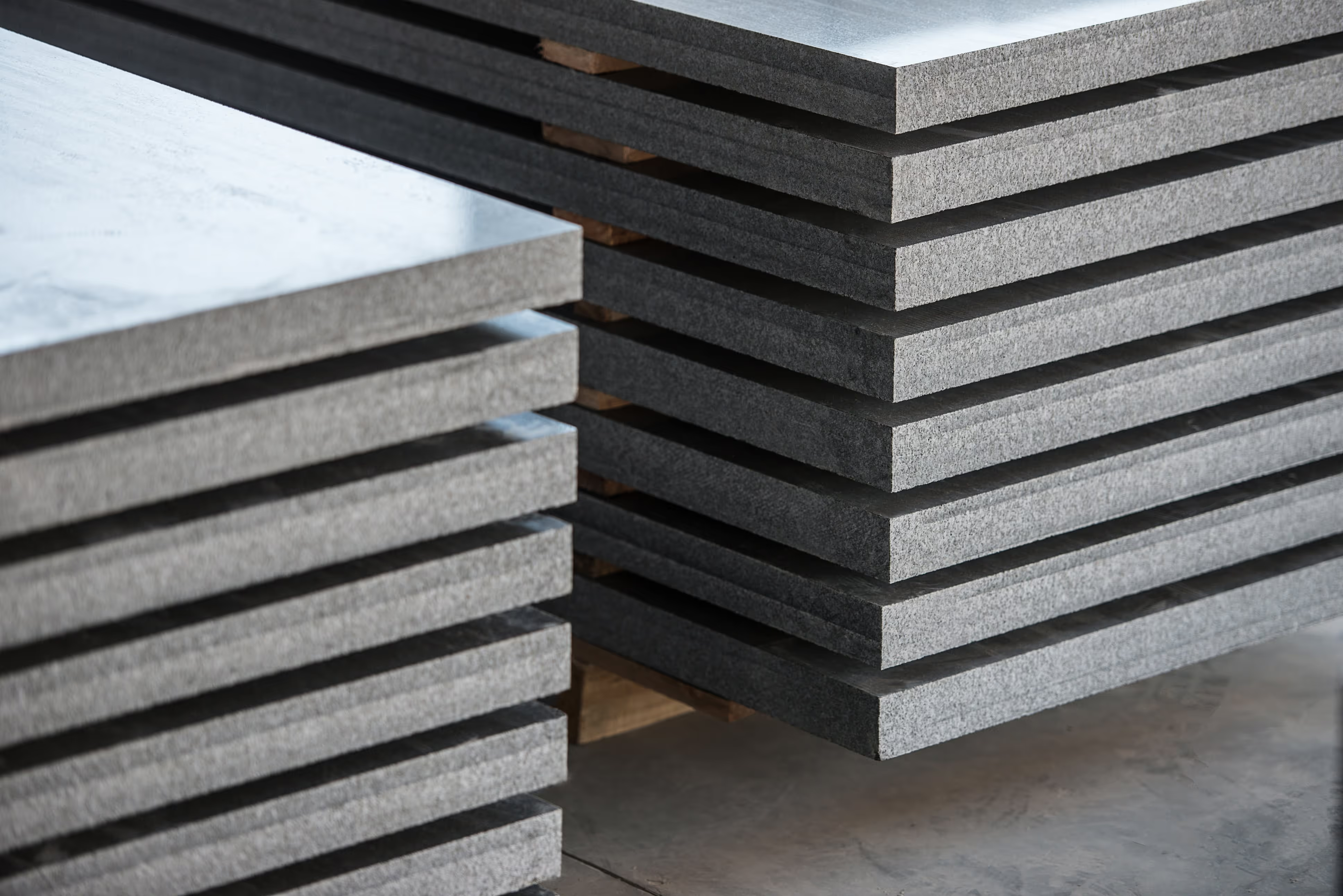
The landing covers the grave area and is the largest component by surface area. Standard landings range from 2000mm x 900mm to 2400mm x 1200mm, with a thickness of 30–50mm. Landings can be polished, honed, or flamed depending on the client's preference and budget. Due to their size, landings are the most difficult component to source consistently, and stock-outs of appropriate slab sizes are the primary bottleneck for monument manufacturers.
Kerbing (Border)
Kerbing forms the border around the grave site. It consists of four strips of granite that frame the landing area. Kerbing is typically 100–150mm wide and 50–80mm thick, with lengths cut to match the landing dimensions. Polished or honed finishes are standard.
Flower Vase and Accessories
Many memorial sets include a granite flower vase, which is either a separate turned component or a vase hole drilled into the headstone or base. Some manufacturers also produce granite photo frames, candle holders, or book-shaped memorial elements. These smaller components are typically produced from offcuts, making them economical to manufacture but reliant on consistent stock of the primary material.
Surface Finishes for Memorial Applications
Polished
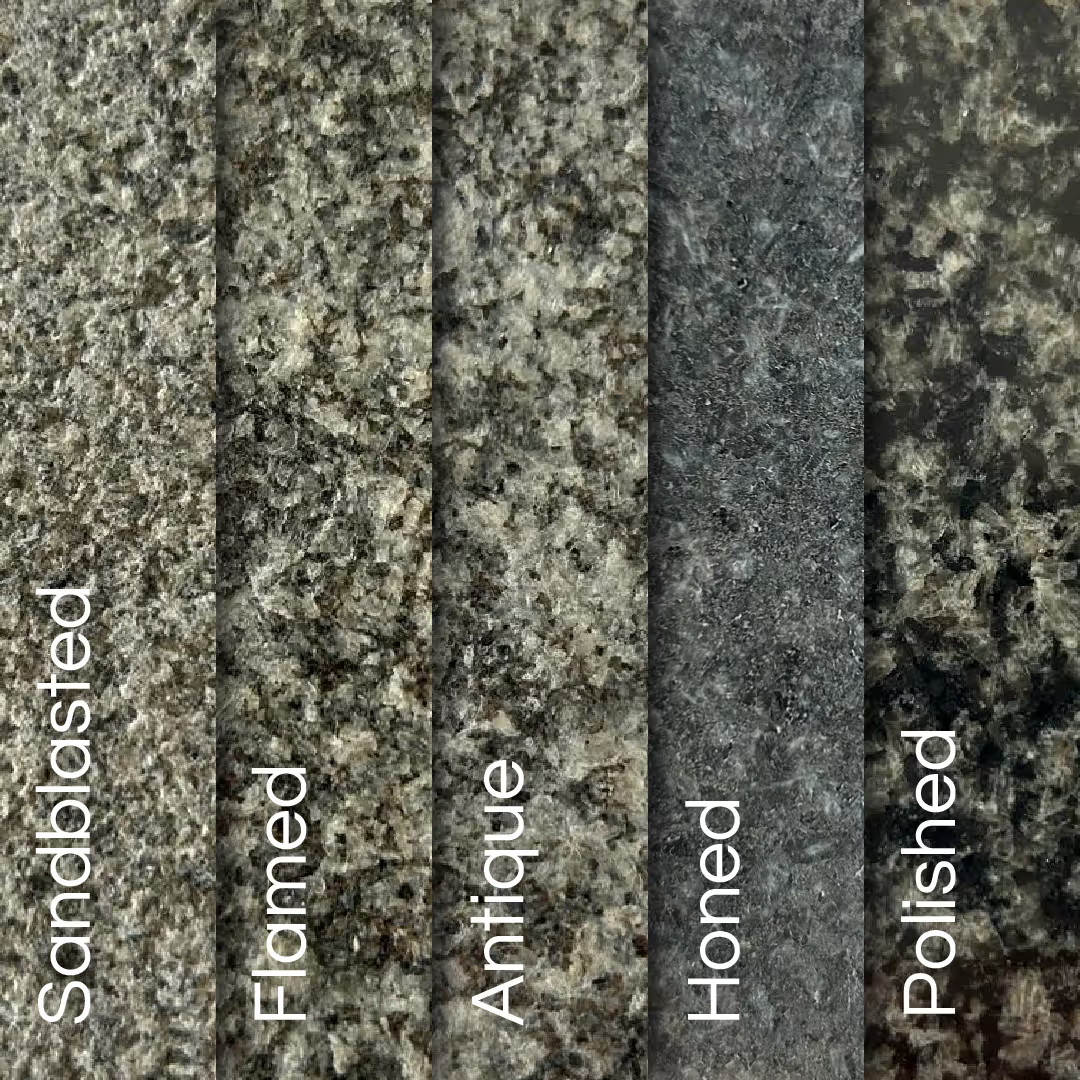
The polished finish is the standard for headstones and visible memorial surfaces. It brings out the full colour depth of the granite and creates the smooth surface necessary for precision engraving. Polished surfaces also resist dirt and biological growth better than textured finishes, keeping the memorial looking clean for longer periods.
Honed
A honed finish provides a smooth but non-reflective surface. It is sometimes specified for contemporary memorial designs or as a contrast element alongside polished surfaces (for example, polished headstone on a honed base).
Flamed
Flamed finishes are occasionally used for landings and kerbing where a non-slip surface is preferred, particularly in regions with heavy rainfall. The rough texture also provides visual contrast against polished elements.
Engraving Considerations by Granite Type
The engravability of granite depends on its mineral composition and finish. Rustenburg granite's mineral structure accepts both sandblasted and diamond-point engraving well. The contrast between the polished surface and the exposed raw stone within the engraved characters creates legible, attractive inscriptions. For sandblasted lettering, the depth of cut should be 2–3mm for standard text and 4–5mm for large display lettering. For photo engraving or detailed portrait work using laser or diamond-point methods, polished Rustenburg granite provides an excellent substrate due to its fine, consistent grain.
Sourcing Memorial Granite: What Monument Manufacturers Need
Component Size Availability
The single biggest challenge for monument manufacturers is sourcing all component sizes from the same material batch. A memorial set requires matching granite across the headstone, base, landing, and kerbing — and if any one component is unavailable, the entire order stalls. When evaluating suppliers, ask about their stock levels across all standard component sizes, not just slab availability.
Colour Consistency
Granite from the same quarry can vary in colour between extraction faces and production periods. For memorial sets where the headstone, base, landing, and kerbing must match visually, sourcing all components from the same production batch is essential. Suppliers with their own quarries and manufacturing facilities have better control over batch consistency.
Volume Pricing
Monument manufacturers typically purchase in regular volumes rather than one-off orders. Establishing a preferred customer arrangement with your supplier ensures priority stock access and better per-unit pricing. At ANG, we work with monument manufacturers on standing order arrangements that guarantee stock availability for their standard component sizes.
Cut-to-Size Capability
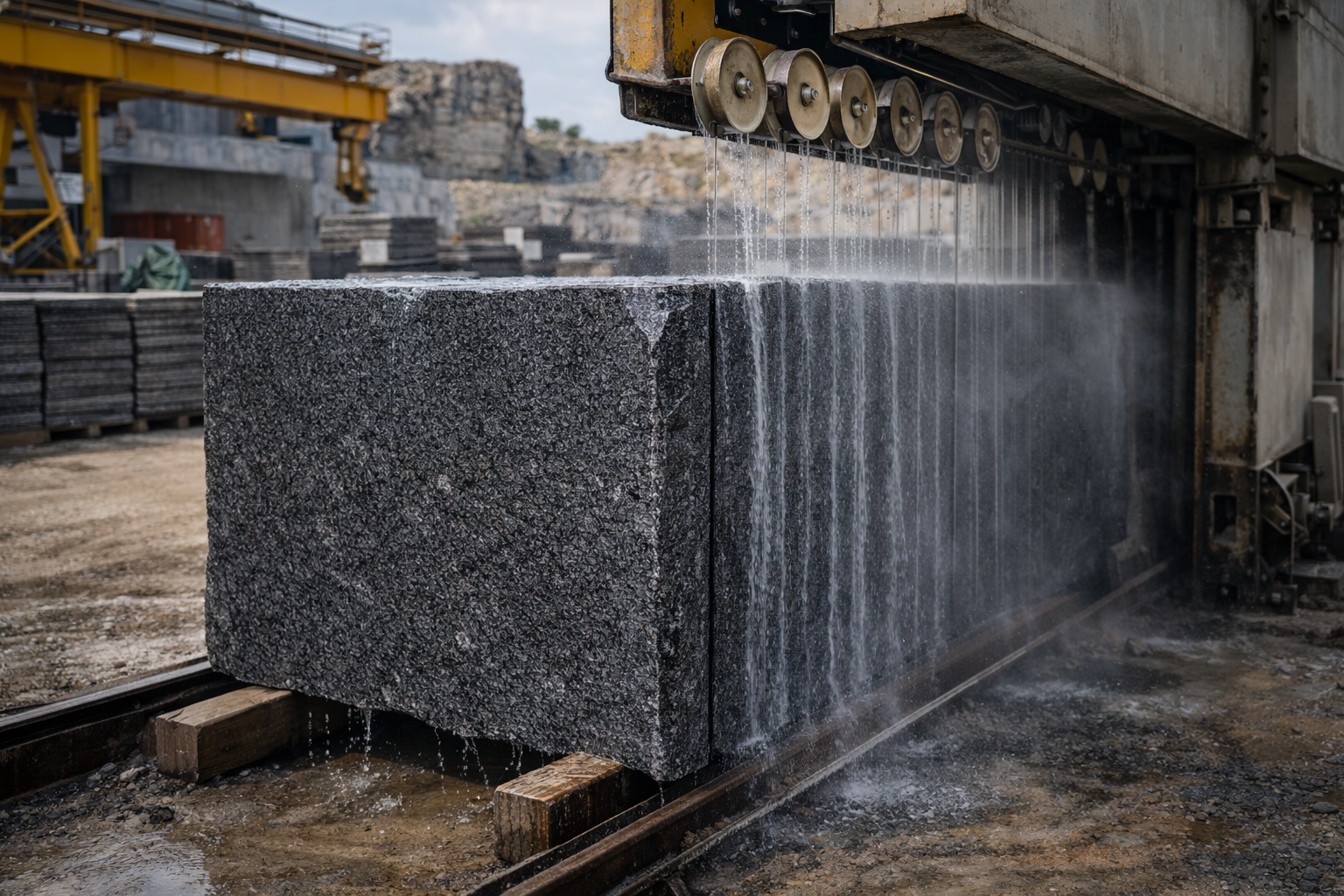
Some monument manufacturers purchase raw slabs and cut components in-house. Others prefer pre-cut components to reduce workshop overhead. A supplier that offers both slab sales and cut-to-size processing gives you flexibility to choose the most efficient approach for each order.
Why Monument Manufacturers Choose ANG
Afrika National Granite supplies monument manufacturers across South Africa with consistent, competitively priced granite for all memorial applications. We maintain stock of Rustenburg granite in the sizes and thicknesses most commonly required for tombstone components. Our cut-to-size service can produce headstones, bases, landings, and kerbing to your exact specifications. Because we own our quarries and manufacture on-site at our Alrode facility, we control the entire supply chain from quarry face to finished component — ensuring the colour consistency and quality that your memorial clients expect.
Contact us to discuss your component requirements or visit our factory at 8 Dekenah Road, Alrode, Alberton to inspect current stock.