Why Granite Maintenance Matters
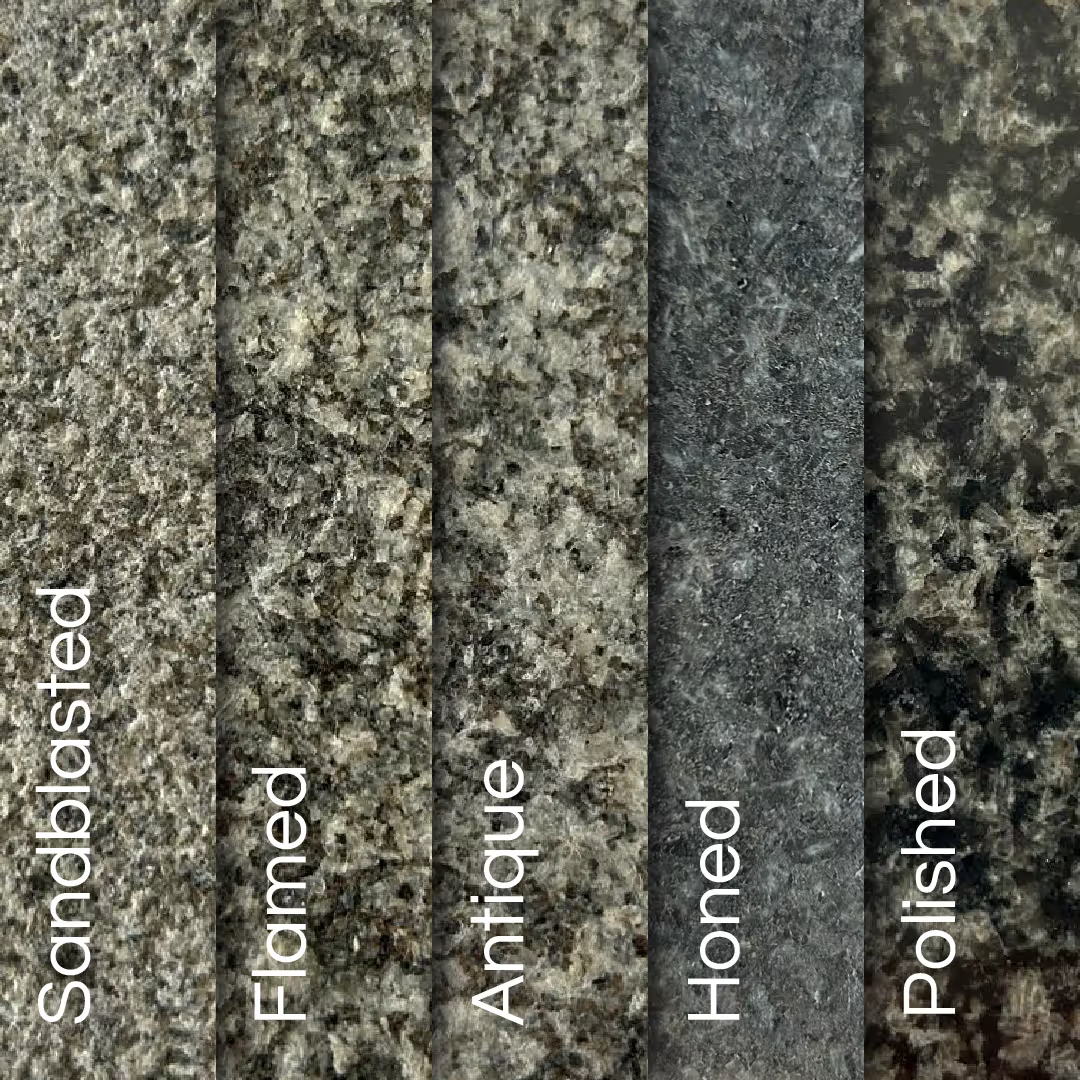
Granite is harder than steel, resists heat better than most building materials, and can last for generations with minimal attention. But "minimal" is not "zero." The finish on a granite surface — whether polished, honed, or flamed — is what you're actually maintaining. The stone itself is virtually indestructible under normal use; it's the surface finish and any applied sealant that need periodic care.
The good news: granite maintenance is straightforward. You don't need specialist products or professional services for routine care. Here's what actually matters, based on our experience manufacturing and supplying granite at Afrika National Granite for over 20 years.
Daily Cleaning
For routine cleaning of granite countertops, vanities, and indoor surfaces:
- Wipe down with a soft cloth or microfibre towel dampened with warm water
- For light soiling, add a small amount of pH-neutral dish soap to the water
- Dry the surface with a clean cloth to prevent water spots, especially on polished finishes
- Clean up spills promptly — not because granite stains easily, but because acidic liquids (citrus juice, wine, vinegar) can dull a polished finish over time if left sitting
What to Avoid
- Acidic cleaners: Vinegar, lemon juice, and bathroom cleaners containing acid can etch polished granite surfaces over time, creating dull spots
- Abrasive cleaners or scouring pads: These scratch polished and honed finishes
- Bleach and ammonia: Harsh chemicals can degrade sealant and discolour the stone over time
- Generic "stone cleaners": Many contain acids or waxes. If you use a commercial cleaner, confirm it's formulated specifically for granite (pH-neutral, non-abrasive)
Sealing
Granite is naturally low-porosity, but sealing adds an extra layer of stain resistance, particularly for lighter-coloured granites and kitchen surfaces that encounter oils and coloured liquids regularly.
When to Seal
- New installation: Most fabricators seal countertops during installation. Confirm this was done.
- Resealing schedule: Every 1–2 years for kitchen countertops. Bathroom surfaces and low-use areas can go longer.
- The water test: Place a few drops of water on the surface. If the water beads up and sits on top, the seal is intact. If it absorbs and darkens the stone within 5 minutes, it's time to reseal.
How to Seal
- Clean the surface thoroughly and let it dry completely (at least 24 hours since last wet cleaning)
- Apply a quality impregnating granite sealer with a soft cloth, working in sections
- Allow it to penetrate for the time specified on the product (usually 15–20 minutes)
- Wipe off any excess with a clean, dry cloth
- Allow 24 hours before exposing the surface to water or spills
Sealing by Finish Type
- Polished: Least porous — some dark polished granites (like Rustenburg or Zimbabwe Black) barely absorb sealant and may not need it at all. Do the water test.
- Honed: Slightly more porous than polished. Benefits from sealing, especially in kitchens.
- Flamed/Bush Hammered/Sandblasted: These textured outdoor finishes are more porous. Seal if used in areas with oil exposure (outdoor kitchens). For exterior paving, sealing is usually optional.
Stain Removal
True staining in granite is uncommon if the surface is properly sealed, but it can happen. Here's how to address common stains:
Oil-Based Stains (Cooking Oil, Grease)
Make a poultice: mix baking soda with water to form a thick paste. Apply it to the stain about 5mm thick, cover with cling film, tape the edges, and leave for 24–48 hours. The poultice draws the oil out of the stone as it dries. Scrape off and repeat if needed.
Organic Stains (Coffee, Wine, Tea)
Mix baking soda with hydrogen peroxide (12% solution) into a paste. Apply the same poultice method. For stubborn stains, a commercial granite poultice product may be more effective.
Water Marks & Rings
These are usually not stains — they're mineral deposits from evaporated water. Buff with a dry microfibre cloth. Persistent water marks on polished granite can be addressed with a granite-specific polishing powder.
Etch Marks (Dull Spots on Polished Surfaces)
Etching is a chemical reaction, not a stain. It happens when acidic liquids contact polished stone. Light etching can be buffed out with a granite polishing compound. Deep etching may require professional re-polishing.
Finish-Specific Care
Polished Granite
Shows fingerprints and water spots most visibly. Wipe dry after cleaning. Avoid dragging rough objects across the surface. Use cutting boards — not because the granite will be damaged, but because your knives will dull against it.
Honed & Leathered Granite
More forgiving of water marks and fingerprints. Slightly more susceptible to oil staining due to the textured surface trapping liquids. Seal these finishes and clean oil spills promptly.
Flamed & Textured Outdoor Granite
Outdoor granite surfaces (pool surrounds, paving, steps) accumulate dirt and organic matter. Pressure wash periodically with plain water. For moss or algae growth, a diluted bleach solution (1:10 ratio) applied and rinsed thoroughly is effective. Avoid acid-based patio cleaners.
Protection Tips
- Use trivets: Granite handles heat well, but rapid temperature changes (a freezing cold pan on a hot surface, or vice versa) can theoretically cause thermal shock. Trivets are cheap insurance.
- Use cutting boards: The granite won't scratch, but your knives will. Granite is harder than most knife steels.
- Felt pads under objects: Place felt pads under decorative items, small appliances, and anything with a rough base to prevent surface scratching on polished granite.
- Deal with chips promptly: If a granite edge chips (usually from impact, not normal use), a colour-matched epoxy repair can make it virtually invisible. Ignoring chips can lead to further chipping over time.
When to Call a Professional
Most granite care is straightforward DIY. Call a professional stone restoration specialist if:
- Polished surfaces have deep scratches or widespread etching that buffing won't fix
- A major stain won't respond to poultice treatment after 2–3 attempts
- Outdoor granite has significant efflorescence (white mineral deposits rising from below)
- You want to change the finish type (e.g., re-polish a honed surface)
For advice on caring for specific ANG granite products, contact our team at +27 (0)11 908 3595. We know our stone better than anyone and can recommend the right approach for your specific surface and finish type.